ARTIST ENCOUNTER
David Byrne
Artistic Director, The Royal Court

The Royal Court Theatre has shocked British audiences for 70 years, in premieres by some of the world’s most influential playwrights.
Visiting from London, Byrne will discuss the legacy and future of one of the world’s most important theaters in a conversation with Gregory Mosher, followed by a Q&A.
Thursday, March 19, 4:00-5:30 pm
Ida K. Lang Recital Hall, Hunter North 424
Online registration is closed. Students, faculty, and staff can register at the door.
Free for Hunter students, faculty, staff, and the community
Outside guests please enter via East 69th Street between Park and Lexington.
Hosted by THE OFFICE OF THE ARTS
“Theatre is an incredible forum where we can see the mess of humanity played out....The process of making audiences consider some of the most entrenched situations in our society and question what they think about them is incredibly powerful.”
David Byrne
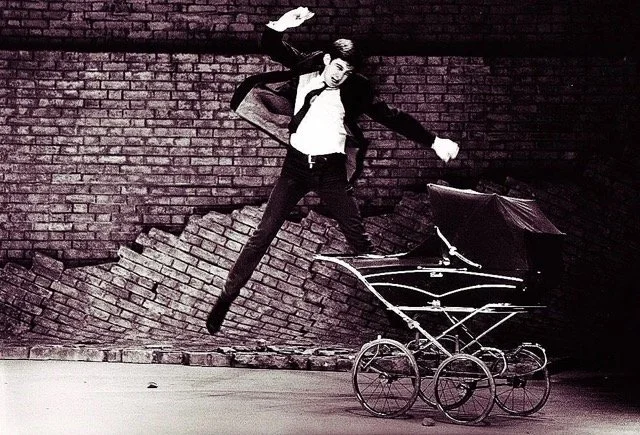
Saved, by Edward Bond, photo by John Haynes
About the Royal Court
Until the founding of the Royal Court Theatre, middle class people never had leading roles in British theater, and working people were used for comic effect. The Court changed all that that with electrifying plays such as Look Back in Anger, Saved, The Kitchen, and Sport of My Mad Mother, and continued with the premieres by Sarah Kane, Carly Churchill, Martin McDonough, Wole Soyinka, Derek Walcott, and countless more. As a writers’ theater, their goal has always been to put life “as it is really being lived” onstage. Here are a few highlights:
The Abolition of Censorship: The theatre played a pivotal role in ending the tyranny of Lord Chamberlain's power to censor plays in the UK with controversial productions like Edward Bond’s Saved (1965).
The Angry Young Men Movement: It launched the “kitchen sink drama” era with John Osborne’s Look Back in Anger in 1956, which introduced a new level of raw, naturalistic social criticism.
The Theatre Upstairs: The Court introduced the first “black box” studio space in a mainstream theatre in 1969, a space for intimate, experimental productions impossible on a traditional stage.
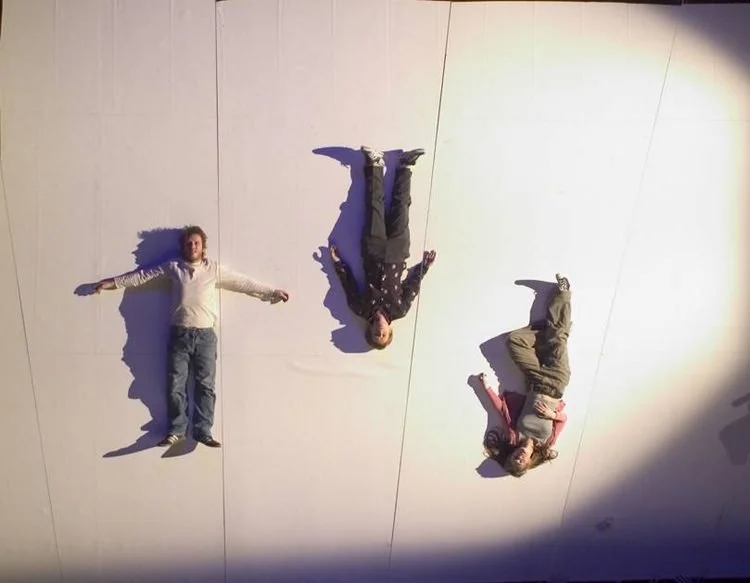
4.48 Psychosis, by Sarah Kane
The Legacy of Playwrights: The Court has nurtured some of the most influential writers in modern history, including Caryl Churchill, Samuel Beckett, Sarah Kane, and Jez Butterworth.
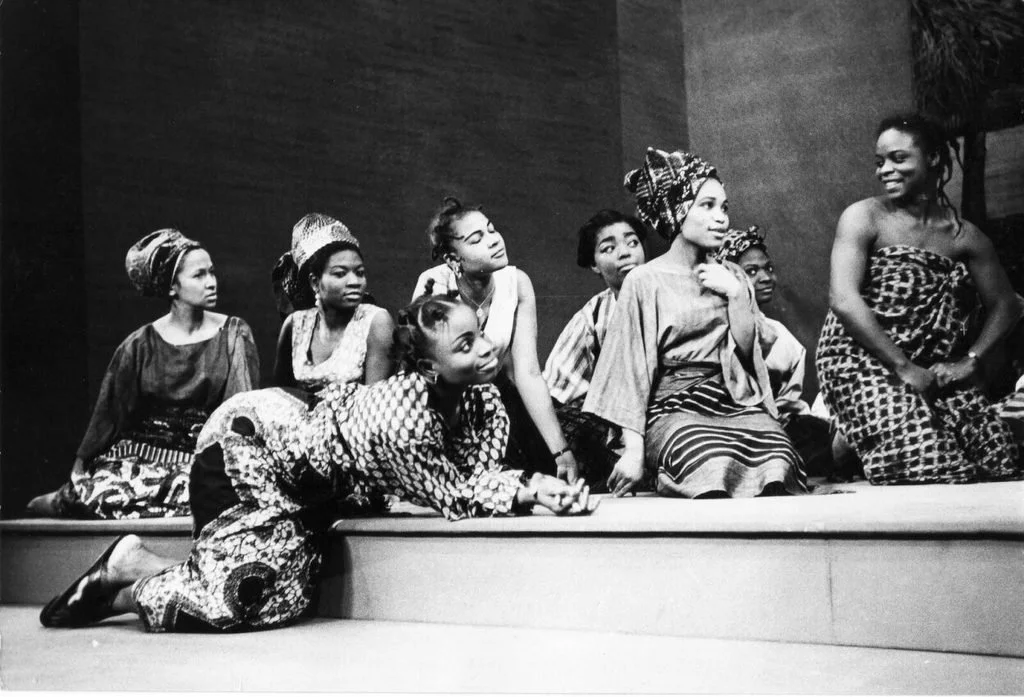
The Lion and the Jewel, by Wole Soyinka
The Political and International Wave: In the 1970s and ‘80s, the Court shifted toward overtly political “state-of-the-nation” plays by such writers as David Hare and Howard Brenton, and expanded its international reach, producing Caribbean and West African voices like Mustapha Matura, Wole Soyinka, and Athol Fugard.

Man to Man, by Manfred Karga, with Tilda Swinton
Today: The Court's thrilling 70th season features a revival of Beckett's Krapp's Last Tape with Gary Oldman, Tilda Swinton in the experimental solo play Man to Man, and The Afronauts, a look at Black ambition and the space race.
Hosted by THE OFFICE OF THE ARTS
The Office of the Arts connects Hunter College students with transformational arts experiences, both on and off campus, and helps student artists build fulfilling, sustainable careers in the arts.
This event is made possible by the generous support of Susie Sainsbury.